
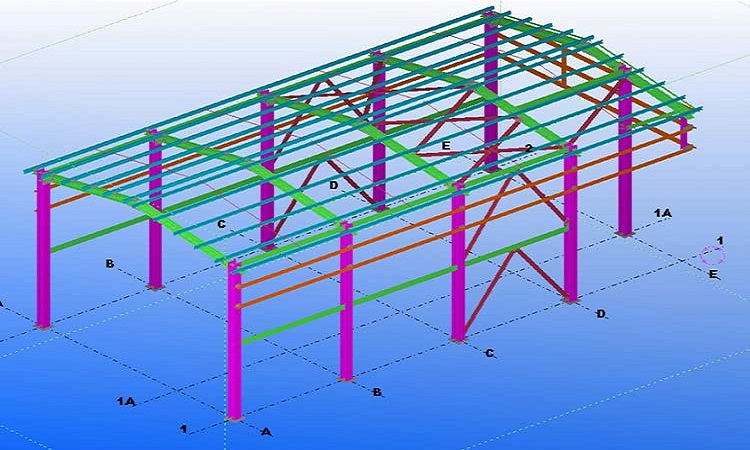
Structural Design
Structural design is a critical component in both new construction and renovation projects, ensuring the stability, safety, and durability of buildings and other structures. Here’s an overview of the key aspects of structural design:
bjective: To create a framework that supports and withstands loads and stresses while maintaining safety and functionality.
Scope: Includes designing the structural elements such as foundations, beams, columns, floors, and roofs.
Structural Loads Dead Loads: Permanent static forces (e.g., weight of the structure itself).Live Loads: Temporary or movable forces (e.g., occupancy, furniture).Environmental Loads: External forces (e.g., wind, earthquake).Assessment: Engineers calculate these loads to ensure the structure can safely support them.
Design Process Conceptual Design: Initial layout based on client needs and architectural plans.Preliminary Design: Basic structural system selection and load calculations.Detailed Design: Precise calculations, material selection, and preparation of construction drawings.